Understanding the Job Market Landscape in 2026
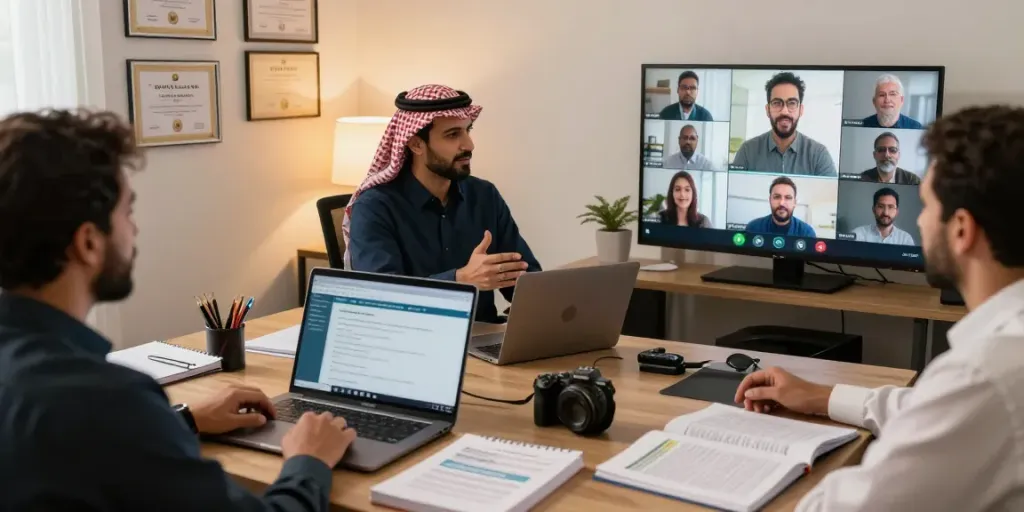
The job market is a dynamic landscape, constantly evolving to accommodate shifts in technology, societal needs, and economic fluctuations. As we enter 2026, job seekers are navigating a complex array of opportunities, challenges, and emerging trends. Understanding these dynamics is crucial for successfully locating employment opportunities. When exploring options, หางาน provides comprehensive insights into available positions and companies actively hiring.
Current Trends and Predictions for Job Seekers
As remote work becomes a norm, many companies are offering flexible positions that allow employees to work from anywhere. This trend has resulted in an expansion of the talent pool, enabling employers to tap into skills from diverse geographical areas. Consequently, candidates must adapt by honing their digital communication skills and becoming proficient in various online collaboration tools. Furthermore, the demand for specialized roles in technology, healthcare, and sustainability is slated to increase, emphasizing the need for continuous professional development and upskilling.
Top Industries for Growth and Opportunities
In 2026, industries such as renewable energy, artificial intelligence, and healthcare are projected to experience significant growth. For instance, with the ongoing push for sustainable practices, the renewable energy sector is actively seeking skilled professionals in engineering, project management, and environmental science. Similarly, advancements in AI demand expertise in data science and machine learning, offering opportunities for those with the right skill set. Healthcare, driven by ongoing public health concerns and advancements in telehealth, continues to recruit across various functions, from nursing to health IT specialists.
Shifts in Job Seeking Behaviors Post-2020
The COVID-19 pandemic has profoundly altered the way individuals seek jobs. Many candidates have shifted to online platforms for job searches, utilizing websites and social media to find opportunities. Networking has also transitioned online, with professionals turning to virtual events and platforms like LinkedIn to connect with industry leaders. Job seekers are increasingly leveraging technology not just to apply for jobs, but to engage with potential employers and learn more about company cultures before applying.
Effective Job Search Strategies for 2026
As the job market evolves, so must the strategies job seekers employ to find relevant opportunities. With competition intensifying, it's vital to adapt and utilize effective methods for securing employment.
Leveraging Online Platforms for หางาน
Utilizing job search engines and company career pages can significantly expand your reach. Websites like JobThai and JobBKK are excellent resources for job seekers looking to find openings tailored to their skills and aspirations. Creating a polished online profile on these platforms can increase visibility to potential employers.
Networking in the Digital Age: Best Practices
Networking remains a cornerstone of effective job searching. In 2026, professionals should prioritize building connections through virtual networking events, LinkedIn, and industry-specific forums. Engaging with peers, joining relevant groups, and attending webinars can lead to unforeseen opportunities. Remember, networking is not solely about what you can gain; it’s also about offering help and support to others in your field.
Utilizing Social Media for Job Opportunities
Social media platforms, particularly LinkedIn, are essential for job seekers in 2026. Candidates can showcase their expertise, share industry-related content, and engage with influential figures within their desired fields. By creating a robust presence, job seekers can catch the attention of recruiters and hiring managers. Furthermore, platforms like Twitter can be utilized for following companies and industry trends, enhancing both knowledge and visibility.
Crafting an Irresistible Resume and Cover Letter
Your resume and cover letter are often the first impression a potential employer has of you. In 2026, it is essential to ensure these documents are not only well-crafted but also tailored to the roles for which you are applying.
Essential Elements of a Modern Resume
A modern resume should clearly highlight your skills, experiences, and accomplishments, using metrics to quantify your achievements whenever possible. Additionally, incorporating keywords from the job description can help your resume pass through Applicant Tracking Systems (ATS) that many companies use to screen applicants.
Tailoring Your Application for Specific Roles
Generic resumes and cover letters are less likely to stand out. Tailoring your application to reflect the skills and experiences most relevant to the specific position increases your chances of being noticed. This includes adjusting your summary statement and emphasizing the experiences that align with the job description.
Common Mistakes to Avoid When Applying
Job seekers often make mistakes such as spelling errors, failing to customize applications, or not following application instructions. It is crucial to thoroughly proofread your documents and ensure you are submitting what the employer has requested. Attention to detail can set you apart from other candidates.
Preparing for Interviews: What to Expect
Understanding the interview process can significantly increase your chances of success. In 2026, candidates should be prepared for various interview formats and styles.
Interview Trends and Formats in 2026
Interviews may be conducted via video conferencing tools or even through artificial intelligence, which can assess candidates using pre-recorded responses. Familiarity with technology and practicing interview techniques can equip candidates to navigate these newer formats successfully.
Behavioral vs. Skills-Based Interviews
Employers may employ either behavioral or skills-based interviews. Behavioral interviews focus on how candidates have handled situations in the past, while skills-based interviews assess specific competencies. Candidates should prepare examples and scenarios that exemplify their skills and problem-solving capabilities.
Post-Interview Follow-Up: Best Practices
After an interview, it is crucial to send a thank-you email reiterating your interest in the position and highlighting key points from the conversation. This not only reflects professionalism but also keeps you fresh in the interviewer's mind.
Maintaining Career Growth After Getting Hired
Securing a job is just the beginning of your professional journey. It is equally important to focus on career growth and continuous learning.
Setting and Achieving Professional Goals
Once employed, setting clear, achievable professional goals provides direction and motivation. Consider using the SMART criteria (Specific, Measurable, Achievable, Relevant, Time-bound) to define your objectives and track your progress effectively.
Continuous Learning and Skill Development
In a rapidly evolving job market, continuous learning is vital. Investing in professional development, attending workshops, and taking online courses can help you stay relevant and competitive in your field. Consider which skills are in demand in your industry and seek resources to acquire them.
Finding Mentorship and Support in Your Career
Identifying a mentor in your field can provide invaluable support and guidance. Mentors can offer insights into career advancement, help navigate challenges, and introduce you to new networks and opportunities. Join professional associations or networks to find potential mentors.