
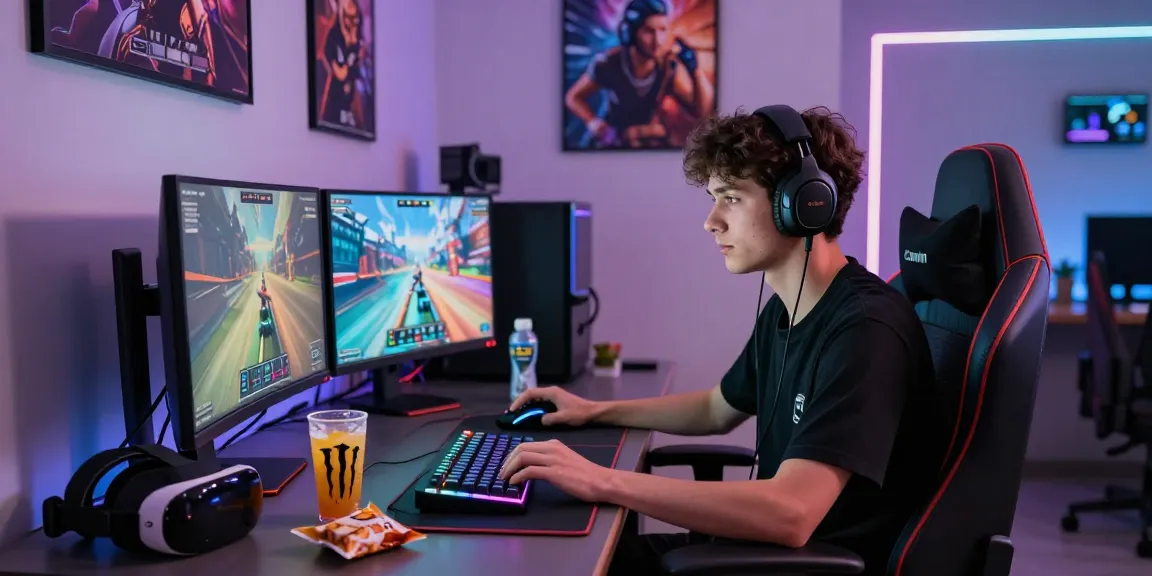
Understanding the eSports Landscape
The world of eSports has exploded in popularity over the last decade, evolving from niche tournaments into a global phenomenon. As millions of players and spectators partake in competitive gaming, understanding the intricate landscape of eSports becomes essential for anyone looking to enter this vibrant industry. From the various types of games played to the multi-faceted business models, eSports encompasses a diverse ecosystem that thrives on player skill, community engagement, and technological advancements. For those interested in a deeper dive into this space, go8 provides comprehensive insights into the latest trends and developments.
What is eSports and its Evolution?
eSports, short for electronic sports, refers to competitive video gaming where players or teams compete against each other in organized tournaments. Initially, gaming was seen as a solitary pastime, but the rise of online connectivity transformed it into a spectator sport. Notable milestones in its evolution include the establishment of leagues for games like StarCraft, transformations in game design that support competitive play, and the burgeoning popularity of live streaming platforms like Twitch. Today, eSports includes genres such as first-person shooters, real-time strategy games, and multiplayer online battle arenas.
Key Players in the Industry
The eSports industry is supported by several key players, including game developers, tournament organizers, sponsors, and professional teams. Major developers like Riot Games and Blizzard Entertainment lead the market with franchises such as League of Legends and Overwatch. Moreover, platforms such as ESL and DreamHack host prominent tournaments that draw large audiences. Sponsorship and advertising are crucial, with brands ranging from tech companies to energy drinks investing heavily in the eSports scene. Together, these components create a robust ecosystem that nurtures talent and fuels competition.
Current Trends and Future Predictions for 2026
As we look towards 2026, several trends are poised to shape the future of eSports. The increasing convergence of traditional sports and eSports is expected to gain momentum, with more athletes crossing over into competitive gaming. Moreover, technological advancements, such as augmented reality (AR) and virtual reality (VR), will likely offer new ways for fans to engage with their favorite games. Additionally, the rise of women in gaming and a focus on inclusivity are paving the way for broader participation across demographics. Finally, the integration of blockchain technology may revolutionize in-game economies and player ownership of digital assets.
Getting Started in Competitive Gaming
For aspiring gamers, entering the competitive gaming scene can be both thrilling and daunting. Knowing where to start is crucial, and there are several pathways to becoming a competitive player. This guide will equip you with the fundamental steps, from selecting the right game to establishing a personal brand. The first step involves understanding which games are not only popular but also align with your interests and skills.
Choosing the Right Game: Where to Start?
When entering competitive gaming, choosing the right game is paramount. Consider genres that excite you and have a substantial community base. Popular options for beginners include titles like Fortnite, Valorant, and FIFA, which offer different gameplay styles and competitive formats. By investing time in games that you enjoy, you'll remain motivated to improve your skills and engage with the community.
Essential Gear and Configuration for Optimal Performance
Your gaming setup can significantly affect your performance. Essential gear includes a high-quality gaming mouse, keyboard, and a comfortable headset. Additionally, having a monitor with a high refresh rate can provide a competitive edge by ensuring smoother motion. It's also vital to configure your game settings to optimize performance, such as adjusting sensitivity and key bindings that suit your playstyle.
Building Your Personal Brand and Online Presence
In the digital age, establishing an online presence is crucial for competitive gamers. Utilize platforms like Twitch and YouTube to showcase your gameplay and connect with audiences. Regular streaming, engaging with viewers, and participating in discussions on social media platforms can significantly enhance your visibility. Building a personal brand that resonates with your audience can also open up opportunities for sponsorships and collaborations.
Strategies for Game Mastery
Mastering a game requires dedication and effective strategies. Competitive gamers must develop structured training regimens, learn from top players, and continually analyze game mechanics. Understanding the nuances of gameplay, including strategies and meta dynamics, can elevate your performance on the virtual battlefield.
Developing Effective Training Regimens
Creating a training schedule that incorporates practice, analysis, and reflection is critical for improvement. Allocate time for different aspects of your game, such as individual skill development, teamwork, and strategy discussions. Use tools like performance tracking software to monitor your progress and identify areas for improvement.
Learning from the Pros: Analyzing Top Players
Observing professional gamers provides valuable insights into advanced strategies and decision-making processes in high-stakes situations. Analyze their gameplay through streams or recordings, focusing on their positioning, timing, and communication. Additionally, studying their approaches to different challenges can inspire you to adapt and refine your gameplay.
Understanding Game Mechanics and Meta Strategies
Every game has its own mechanics and evolving meta. Make an effort to keep updated on patch notes, balance changes, and community discussions to understand how shifts in the game can affect strategies. Familiarizing yourself with game mechanics—such as itemization, map control, and character abilities—will allow you to make informed decisions during gameplay.
Networking and Community Engagement
Networking is a vital aspect of establishing yourself in the eSports community. Engaging with fellow gamers and teams not only enhances your skills but also increases visibility in the competitive gaming landscape. Building relationships within the community can open doors to new opportunities and collaborations.
Joining Teams and Finding the Right Community
Finding a team that aligns with your goals is essential for growth. Look for communities or organizations that focus on your chosen game and engage with players of varying skill levels. Participating in local gaming events or online forums can help you connect with potential teammates and mentors.
Participating in Tournaments and Events
Competition is a key driver for improvement. Engage in local and online tournaments to gain experience under pressure. These events not only test your skills but also allow you to network with other players and industry professionals. Joining tournaments can also help you gain visibility among teams and sponsors looking for new talent.
Utilizing Social Media for Brand Growth
Leverage social media platforms to expand your reach and connect with fans. Share tips, highlights from your gameplay, or insights from tournaments to engage your audience. Consistent and authentic content can help foster a community around your brand while attracting sponsorship opportunities.
Measuring Success and Making Improvements
To thrive in competitive gaming, measuring success goes beyond winning or losing; it’s about continuous improvement. Understanding key metrics, adapting your strategies based on feedback, and planning for long-term career growth are essential elements for any aspiring gamer.
Tracking Performance Metrics and Analytics
Utilize analytics tools to monitor key performance indicators (KPIs) related to your gameplay. Metrics such as kill/death ratios, win rates, and average damage can provide insights into your strengths and weaknesses. Regularly reviewing these statistics allows you to identify patterns and adjust your training accordingly.
Adapting Strategies Based on Feedback
Seek feedback from both teammates and external sources. Constructive criticism can offer valuable perspectives on your gameplay. Analyze specific instances where your performance could improve, and adapt your strategies accordingly. Being open to feedback helps in cultivating a growth mindset that is essential for success.
Planning for Career Longevity in eSports
As with any career, planning for longevity in eSports requires foresight and adaptability. Consider diversifying your skills by exploring coaching, content creation, or community management as potential career paths. Staying engaged with the gaming community and continuing to learn will help you navigate changes in the industry and prolong your career.
What are the best games for beginners in eSports?
For beginners, games like Rocket League, League of Legends, and Super Smash Bros. Ultimate offer accessible entry points. These games have large player bases, supportive communities, and structured tournament ecosystems, making them great choices for new competitors.
How to choose the right gaming gear?
When selecting gaming gear, prioritize comfort and performance. Research specific models that align with your needs, and consider visiting local stores to test products before purchasing. Proper gear can enhance your gameplay experience and provide a competitive advantage.
What training methods are effective for competitive gamers?
Effective training methods include focused practice sessions, gameplay analysis, and specialized drills. Additionally, consider joining communities where you can learn from others and share experiences. Being proactive in seeking improvement will accelerate your growth in the competitive gaming landscape.
Why is community engagement important in eSports?
Community engagement fosters growth and support for players. Connecting with other gamers allows for knowledge sharing, mentorship opportunities, and the formation of lasting friendships. A strong community can also enhance your visibility and provide essential networking opportunities.
What are key trends to watch in eSports for 2026?
Key trends to watch include the increasing crossover between traditional sports and eSports, evolving technologies like VR and AR, and a greater focus on inclusivity within gaming communities. Understanding these trends can position you better for future opportunities and developments within the industry.